
Categories
News

How to Conduct a Feasibility Study for Business in the Philippines

Written by: Maine Dela Cruz

Consider the following scenario: you’ve developed a concept for a new product, service, or company approach. The following step is to determine “Is this feasible?” Do you have the necessary people, tools, and attitude to make this a success? Is this the correct project for you to work on at this time?

In any business venture, uncertainty is a significant issue. A business idea alone is not sufficient reason to jumpstart operation. It is crucial to understand the many facets of business operation. This involves strategies for attracting customers or clients to your products or services and encouraging them to spend so you may profit. To minimize the chance of failure, business owners should consider the important factors when developing a business plan.

To address these concerns, you should do a feasibility study. This post will assist you in getting started by giving you a guide on how to make a feasibility study. It will also highlight the importance of a fast internet connection, like having fiber internet, so you can seamlessly do your research. There are also best practices and recommendations.

Subscribe to Streamtech Fiber Internet

You can also check out these related articles:

So, let’s answer the essential questions before you give a green light to your fantastic idea.

What is a Feasibility Study?
what is FS - how to make feasibility study - streamtech fiber internet
Photo by Daria Neperiakhina on Unsplash

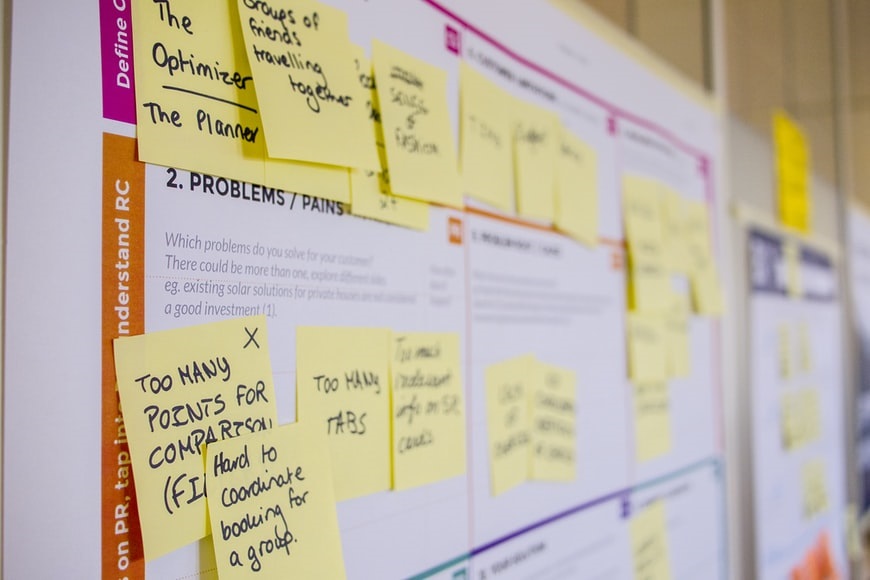
A feasibility study is a report that is used to determine whether or not a project is viable. This distinguishes it from a business plan, which mostly discusses plans for business growth.

Feasibility reports cover the legal requirements, economic considerations, technical resources, and scheduling issues that might affect the success or failure of a project.

These analyses are extremely beneficial for projects and businesses seeking to anticipate their return on investment. Additionally, it may be used to support a variety of sectors and objectives.

Feasibility studies have a number of advantages for business owners. These studies are critical because even if you are confident in your ability to complete a project, it does not imply it is worthwhile to undertake.

Without a feasibility study, you will have no idea about the possible risks and benefits associated with your investment.

How to Conduct a Feasibility Study
how to conduct a feasibility study - streamtech fiber internet
Photo by Kaledico on Unsplash

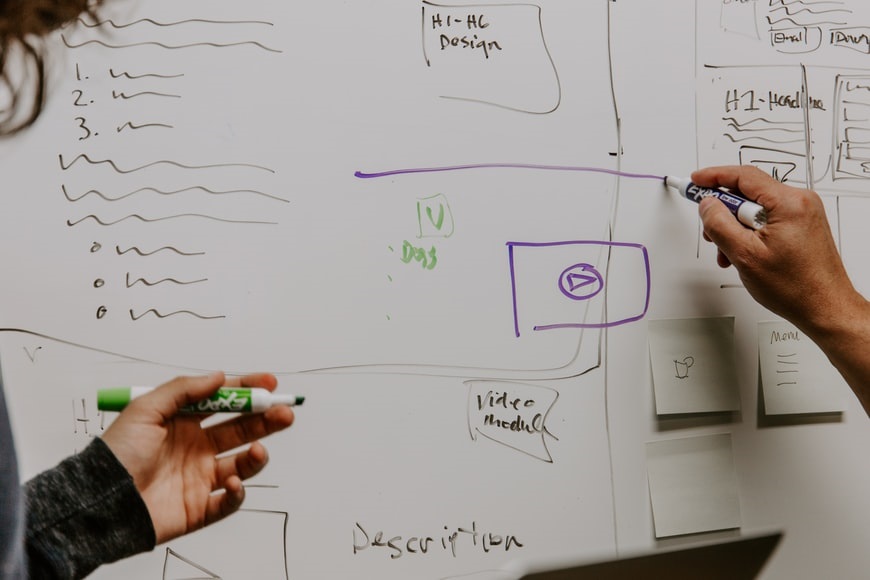
Carrying out a feasibility study is not a simple task. You must take many procedures to ensure that your conclusion is accurate. Read on to learn the crucial steps involved in conducting a feasibility study.

1. Conduct a preliminary analysis.

Begin by conducting a preliminary analysis. You should consider an unmet need, a current market where demand exceeds supply, and whether the product or service offers a clear advantage. Then you must do a preliminary analysis on whether the feasibility factors are excessively high (i.e. too expensive, unable to effectively market, etc.).

2. Make a projected income statement.

This stage necessitates working backward. Begin by estimating the anticipated revenue from the proposed project and then determining the amount of project financing required to accomplish that goal. This serves as the basis for an income statement. Consider what services are necessary and how much they will cost, as well as any modifications to revenues, such as reimbursements.

3. Conduct market research or market survey.

This stage is critical to the success of your feasibility study, therefore do a comprehensive market analysis. It is critical, and if your business lacks the means to do one properly, it may be beneficial to engage an outside agency to do it.

Market research will provide you with the most accurate estimate of the project’s income and return on investment. Several factors to examine include the geographic effect on the market, demography, competition analysis, the market’s worth and your share, and if the market is available to expand (that is, response to your offer).

4. Set up business organization and operation.

After the preceding phases have been completed, it is time to organize and operate the intended project in accordance with its technical, operational, economic, and legal viability. This is not a broad-brush exercise. It should be comprehensive and cover startup costs, capital expenditures, and operational expenses.

These expenses include those associated with equipment, merchandisers, real estate, staff, supplier availability, and overhead.

5. Prepare an opening day balance sheet.

This comprises an asset and liability valuation, which should be as precise as feasible. Create a list of goods, suppliers, expenses, and available finance to do this. Consider liabilities such as leasing or acquiring land, buildings, and equipment, as well as financing for assets and receivables.

6. Perform a thorough review and feasibility analysis of all the data.

All of these stages are critical, but the evaluation and feasibility analysis are critical to ensuring that everything is as it should be and that nothing has to be changed or tweaked. Therefore, take a minute to review your work one final time.

Compare your previous stages, such as the revenue statement, to your spending and obligations. Is it still a possibility? This is also the time to consider risk, analyze and manage it, and develop any necessary contingency plans.

7. Decide whether you want to proceed or not.

You’ve reached the stage when you must decide if the project is practical or not. That may sound straightforward, but all preceding actions have led up to this decision-making moment. Additionally, before making a binary decision, evaluate if the commitment is worthwhile in terms of time, effort, and money and whether it is aligned with the organization’s strategic goals and long-term aspirations.

Should I Hire a Professional to Conduct the Feasibility Study or DIY?

professional - how to make feasibility study - streamtech fiber internet
Phtoo by Scott Graham on Unsplash

It depends.

At times, business owners may lack the essential knowledge, be entirely unaware of the subject, or just lack the necessary abilities.

Additionally, you may get biased. Apart from designers, engineers, innovators, entrepreneurs develop strong attachments to their own concepts. They rationalize away difficulties, wish away concerns, and believe in themselves despite opposing facts. This is quite normal. However, this is also why external investors, bankers, and others want an independent assessment. When the designer and owner are the same individuals, the trend is for the designer to attempt to save money by doing their own feasibility study. Frequently, the outcome is utterly worthless.

If you, the business owner, have the expertise and technical know-how in this field, you may conduct the feasibility study.

What Should a Feasibility Report Contain?

contents - how to make feasibility study - streamtech fiber internet
Photo by UX Indonesia on Unsplash

While feasibility reports can be conducted in a variety of ways, they all follow the same content structure. Here are the parts of a feasibility report:

1. Title page

This is the first thing that your reader will notice.

The title should be descriptive enough to offer your readers an idea of the study’s purpose.

Additionally, it should contain the names of the people who conducted the study.

2. Table of contents

This section can assist readers who wish to reach a certain portion without having to browse the entire document.

The table of contents must include a list of all section names and their associated page numbers.

3. Executive summary

This part provides an overview of the project, its aim, and the sources that substantiate its validity.

4. Market feasibility

This section contains information on the company’s history, present, and future. It covers the industry’s history, present trends, and anticipated future advancements.

Ensure that your emphasis is narrowed and that you describe how your idea fits within the story. In this manner, readers will get a clearer picture of what you have to offer.

5. Technical feasibility

This section addresses the elements that may make or destroy your firm, including location, product materials, and quality assurance facilities.

6. Financial feasibility

Financial feasibility is determined by your current and prior financial data, including statements, assets and liabilities, and investor information.

7. Organizational feasibility

This section details your company’s organizational structure and staffing requirements. If you have several branches and locations, indicate them here.

Feasibility Analysis Best Practices

There are a few recommended practices you can follow to ensure you get the most out of your feasibility study. For example, requesting input from experienced colleagues or supervisors might provide insight into the variables you’ve outlined and assist you in filling in any gaps. Additionally, you’ll want to double-check the facts and intelligence you’ve gathered to ensure they’re correct.

Another best practice is to adhere to a feasibility analysis template, which eliminates the need to reinvent the wheel with each project. If your business routinely undertakes projects, you may almost certainly find a feasibility study example or template to work from.

Pitfalls in Feasibility Study and How to Overcome Them

pitfalls - how to make feasibility study - streamtech fiber internet
Photo by JESHOOTS.COM on Unsplash

Feasibility studies may be extremely beneficial to businesses that invest the time and effort necessary to undertake them wisely. However, there are certain typical errors that NGOs make that might undermine the study’s validity. These include the following:

1. Lack of commitment to conducting a feasibility study

The initial choice – whether or not to perform a full-blown feasibility study – is frequently made hastily. This is a monumental error in and of itself. Generally, the higher the initial expenditure, the more complicated the project, or the more severe the repercussions of failure, the more critical it is to do a feasibility study. While a tiny company with limited cash requirements is one thing, any enterprise involving significant investment, numerous stakeholders, or a long-term commitment requires a feasibility study. In certain situations, failure to do one might be deemed malpractice.

When in doubt, the feasibility study is the prudent course of action. The cost of neglecting to do a feasibility study is much, far more than the cost of conducting the research and deciding not to proceed with the project.

2. Rushing through the feasibility study

Consider a feasibility study as the initial stage in the development of your campaign or project. As such, it’s normal to desire to get through it quickly. The sooner the research is completed, the sooner you may begin working on your actual project.

The issue with this method is that it undercuts some of the feasibility study’s most significant benefits.

Allow 3-4 months during your pre-campaign preparation to do your feasibility study. During this time period, you want to make the most of the chances presented by your studies.

2. Unclear definition of the proposed project

A feasibility study is only beneficial if it provides conclusive responses to particular issues. While the question “Can we develop a resort here?” is an intriguing one, it is insufficiently precise to justify investing in a feasibility study. Whereas “Can we create a 30,000 to 50,000 square foot eco-friendly resort for rich couples between the ages of 25 and 50?” is a far more achievable goal. Prior to doing the feasibility study, ensure that you have narrowed it down to a manageable degree of detail.

A concise business or project strategy is typically sufficient, but a one- or two-sentence description is insufficient.

Key Takeaway

Business moves rapidly, and it might be tempting for many firms to skip review phases in order to complete projects more quickly. However, this frequently results in misalignment, stalled initiatives, duplication of effort—or, even worse, lost time and money. Whatever sector you are in, a feasibility study may assist you in identifying risks and uncertainties and increasing your chances of company success.

Streamtech Fiber Internet

Conduct Your Feasibility Study with Streamtech Internet

Now that you know the essentials of conducting a feasibility study, it’s time to begin!

A feasibility study is heavily reliant on research and communication. To do this, you need reliable and fast internet service. Streamtech Fiber Internet is the Philippines’ newest telco player that offers dedicated internet access, leased line, and Wi-Fi services to subscribers. This is applicable to its franchise areas powered by their own fiber-optic backbone link. ​

Streamtech offers affordable home internet plans so your small business can make use of its unlimited fiber internet connectivity. For as low as Php 1,499/month, you can enjoy fast internet speed of up to 25 Mbps. That is the fastest internet speed ever offered for residential areas.

So, what are you waiting for? Subscribe now and experience fast, secure, and uninterrupted connectivity with the best fiber internet provider in the Philippines.

To know more about their products and services, visit its official social media page (Facebook).

Categories
Business News

What is a Feasibility Study and Why is it Important to Businesses?

A feasibility study is one of the most crucial things for any business to have. It can help determine what are the steps necessary in order to be successful. And will also let you know if your idea is even worth pursuing. This article will talk about what is a feasibility study and why it is so important. Additionally, it will show how a feasibility study can help your company succeed. Moreover, it will also tackle the vitality of connecting to a reliable internet service provider. By then, you can have access to a stable and fast fiber internet for the conduct of your feasibility study.

Businesses of all sizes face uncertainty on a regular basis. Getting clients in the door, persuading them to spend, and making a profit are key goals of a business. However, these might be tough at times but changing up your company mix with new business ideas can reduce this risk. And this is by asking questions beforehand about what will work best for you.

Traditionally, businesses have relied on their gut instincts and experience in order to achieve success even when there is so much risk involved with changes or new ideas. But what about doing things differently? In this regard, it’s best to start with the basics, like conducting a feasibility study.

Subscribe to Streamtech Fiber Internet

What is a feasibility study?

A feasibility study is a research method. Its design is to determine the suitability, likelihood, and profitability of any new business idea. It essentially evaluates past and present information in order to predict future performance. And it also helps businesses and individuals make informed decisions about their next step forward.

The term feasibility study is used by a broad range of organizations. And it can be an option for professionals looking to change careers. Additionally, it is applicable to those making small modifications within their current field.

A feasibility study will typically follow some type of market research – which is the first step in any project, idea, or goal that you have. This means conducting proper research on your target market, potential clients, and even competitors if need be. Once this information has been collected, it’s important to analyze it objectively and then look at how it could potentially impact your company, product, or service moving forward.

Why is there a need for a feasibility study?

When starting out on a new initiative, it’s natural for people to assume that their initial concept is going to succeed, and so they did not take the time to conduct a feasibility study. However, by doing this you’re likely going to be making mistakes that could potentially cost you monetarily. Consequently, it’s better to be safe than sorry when it comes to the success of your business.

When conducting research into why businesses still fail despite their best efforts, it became clear that one of the main reasons was due to poor planning, which is something a feasibility study can help with immensely because it will give you a map of what needs to happen next in order for your business idea or concept work successfully.

What does a feasibility study look like?

A feasibility study can include anything from preliminary analysis of your product, service, or idea, as well as a market survey of which customers are likely to buy into your products, how you should communicate with them, and why they will take interest in what you’re offering.

The best way to conduct a feasibility study for your business is to keep it simple but straightforward by answering the following questions:

  • Who is my target market?
  • Who are my competitors? 
  • What do I have that is different from them?
  • What is going to convince people to choose me over another company?
  • How can I best communicate with people that would benefit from what I have on offer?

Once these questions have been answered then you’ll be able to further develop or improve upon your business plan as well as know if there need to be any changes made before moving forward with the idea or concept that you have.

what does a feasibility study contain - streamtech fiber internet
Photo by Kaleidico on Unsplash

What does a feasibility study include? 

Aspects such as location, financial forecasts, marketing strategies, staffing levels, and timelines will all be looked at in-depth with a project identified with the aim of answering the following questions:

  • Will this business idea work?
  • How can it be done?
  • How much will it cost?
  • What are the benefits beyond financial gain?

All these can be found in a feasibility report. This document report looks at a suggested solution and provides a feasibility analysis to determine whether it is feasible under particular conditions. It is divided into different sections: the executive summary, an introduction, background information, requirements, evaluation, findings, and recommendations.

What are the types of feasibility studies?

There are several types of feasibility studies. Here is a list of the five major types of feasibility studies:

1. Technical feasibility – This is the evaluation of a project’s or product’s technical needs to determine what technical resources are needed.

2. Legal feasibility – This is a determination of whether or not the proposal satisfies the existing legal criteria for implementation. Consider if a new structure complies with the legislation, whether the site was appropriate, and whether the construction was allowed by the authorities.

3. Operational feasibility – This determines how effectively a project’s execution fits into the organization’s present business structure. The answers to a present problem must be as near to a perfect match with the organizational structure as feasible, and they must be able to be applied to subsequent problems that arise.

4. Schedule feasibility – Before you begin a project, you must ask the following questions: When is the project due? Are there legal obligations related to the schedule? Within what time is the project or product viable? Are the deadlines attainable? This is an evaluation of the product’s delivery timeline and if the product will still be required beyond that period.

5. Economic feasibility – A research is conducted on the project to determine how long it will take to reach the break-even point. It’s akin to doing a cost-benefit analysis. Every project has a cost and knowing when to expect returns is important for financial planning considerations.

How do I conduct a feasibility study?

Conducting a project feasibility study is not a complicated thing. But it will involve some research on your part as well as taking the time to talk things over with other people who are in similar fields. You’ll need to start by looking at what market research there already is out there and if their findings are accurate and how does this fit into your business.

It’s important to take all of your ideas, concepts, and plans for what you’re trying to achieve on board before moving forward because if something doesn’t quite fit, then you won’t be able to work it towards achieving your goals. If there has been proper research conducted, then it should only take an hour or two to go over the findings and see if there are any holes in your plans. However, don’t hesitate to contact a professional for help with this stage of the process if you’re unsure.

Once these initial steps have been completed, then it’s time to look at how you can best present what you have to offer – who is going to benefit from it? How will they benefit from it? What does your brand stand for?

These are just some of the questions that need looking into before putting together something that is more formalized, including specific marketing strategies, as well as organizational structures.

duration of a feasibility study - streamtech fiber internet
Photo by Leon on Unsplash

How long should I spend on my feasibility study?

The amount of time that needed on your feasibility study all depends on the scope of your project, how extensive you want to look at what you have to offer, and what is going to work best. However, if you need a general guideline, then the recommendation is to spend between six weeks and three months researching information, reviewing or reassessing your plans, and seeing where any holes may lie before moving forward with anything.

Can I outsource my feasibility study?

Yes! In fact, there are many people who specialize in designing feasibility studies for businesses just like yours, meaning that you’re able to sit back while they do all the hard work for you. Make sure that when outsourcing this process that whoever is performing it has extensive experience within similar fields, technical resources, as well as an understanding of your type of business and what you’re trying to achieve.

There is a lot that goes into a feasibility study but with the right amount of research, including market analysis, then you should be able to understand if there are any issues with your plans or how you go about communicating with those who would benefit from your products, services or concepts. All you have to do is sit back, relax and let the professionals do what they do best. Through their accomplished feasibility study report, you know for certain whether or not now is the right time for your business idea to become a reality.

When should you do a feasibility study?

The best time to conduct a feasibility study is before you actually start your business. But it can also be done later on if during the beginning stages it becomes clear that things aren’t going quite as planned or that there may be difficulties down the road.

What are its benefits to businesses?

Feasibility studies allow businesses and entrepreneurs to make the smartest choice possible when it comes to their next step forward, whether that is choosing to stay within their current industry or expand into a whole new branch of business. Here are the other benefits of doing a feasibility study:

1. It can help you avert the possibility of losing money.

2. It can show a way to make a profit on a new business idea.

3. It demonstrates the practicality of the startup idea, and it proves that there is a real market for your product or service before you begin allocating financial resources to production or marketing.

4. The investment in the time and cost of a feasibility study is small in comparison to the future possible expenses if an entrepreneur were to launch their venture prematurely only to find out they lack sales due to lack of customers requiring that product or service or receive negative feedback about their new business from consumers.

5. It may provide some evidence that either more or less capital will be needed than originally anticipated which makes it easier for the entrepreneur to obtain a business loan.

6. It can lead you to discover that your idea already has a patent or trademark from another company; if so you will know which direction not to go with this venture.

7. It can allow you to receive feedback about whether there is enough of a market in order to justify investing money in the equipment or facility needed for manufacturing and/or marketing goods or services before actually launching your new business venture.

8. It will shed light on marketing techniques because you’ll be able at this point to research costs in terms of promotion and operating expenses.

Additional benefits

9. You may learn that certain required elements do not exist in the necessary quantity or quality creating an opportunity to fill a void in the market.

10. You can learn from your competition and its strengths and weaknesses in order to design a plan that takes advantage of available opportunities.

Feasibility study and its importance to project management

The conduct of feasibility studies are to understand the potential of an idea, including the financial viability. It is an important task in project management that every project must go through at one stage or another before going on any further steps towards its development. Likewise, a feasibility study helps you to answer certain key questions related to your business plan.

The purposes of a feasibility study, when establishing a business plan, are:

1. Determining the economic reasonability of your project

2. Evaluating all possible outcomes and determining which will play out

3. Providing information for decision-making

4. Providing information about the risk involved

5. Identifying who will use this product/service

6. Positioning the competition including existing business

7. Listing goals and objectives

8. Determining the feasibility of a project

Required level of expertise is crucial in the conduct of a feasibility study. You must consult experts who have the knowledge and experience related to your business sector. Of course, this includes the aspect of operational feasibility. This reduces the chances of getting the wrong information about the feasibility of your idea.

A professional team will always help you in making all possible decisions that can positively affect your future success. Your aim would be to make a profitable and sustainable business plan that is capable enough to compete with existing players in this industry.

professional team conducting feasibility study - streamtech fiber internet
Photo by Mikael Blomkvist on Pexels

Major Takeaways

A feasibility study is a great way to see if your proposed project has the potential for success. This is an important measure before you actually go ahead with it. That is whether through experimentation or simply through following advice from experienced professionals. It can help reduce the risk by giving you invaluable information about what kind of challenges may lie ahead. This will allow you to better prepare yourself and even plan accordingly.

If working within established industries isn’t quite your thing, then look into an industry-based feasibility study. This will give you an entrance into unexplored markets where there are plenty of untapped opportunities waiting for your discovery. By conducting one, your business will have the opportunity to make smarter decisions when it comes down to planning future projects which could lead to greater success in the future.

Importance of Internet in Doing Feasibility Studies

Despite the pandemic, Filipinos remain optimistic and dynamic in venturing into business opportunities that can help them thrive. Thus, the recommendation is to execute a feasibility study to determine the viability of such a venture amidst this crisis.

One essential component of any feasibility study is research. The Internet is a highly effective global tool that provides good research sources for data, information, and business networks. With this, a fast and reliable fiber internet connection is necessary in order to implement a feasibility study.

Streamtech Fiber Internet

Power the Conduct of Your Feasibility Study with Streamtech

Streamtech, the newest internet service provider in the Philippines, can provide you with the ultimate fiber internet connection at a reasonable price. For as low as P1,499/month, you can get a fiber nternet speed of up to 25Mbps that will make smooth and easy the conduct of your feasibility study for your next business prospect. You can also avail of the Extendifi WiFi Extender that allows you to enjoy the power of Streamtech’s connection no matter where you are.

Subscribe now to one of the best fiber internet providers in the Philippines. Enjoy fast, secure, and reliable fiber internet access. Visit our Official FB Page for more details.